Kaiseki Dinner at a Ryokan: Course Flow, Timing and Dietary Requests
A kaiseki dinner at a ryokan explained: how the courses flow from sakizuke to dessert, why dinner starts early and runs about two hours, where it is served (in-room or restaurant), what half-board includes, and how to request dietary changes — with verified examples from Hakone inns.
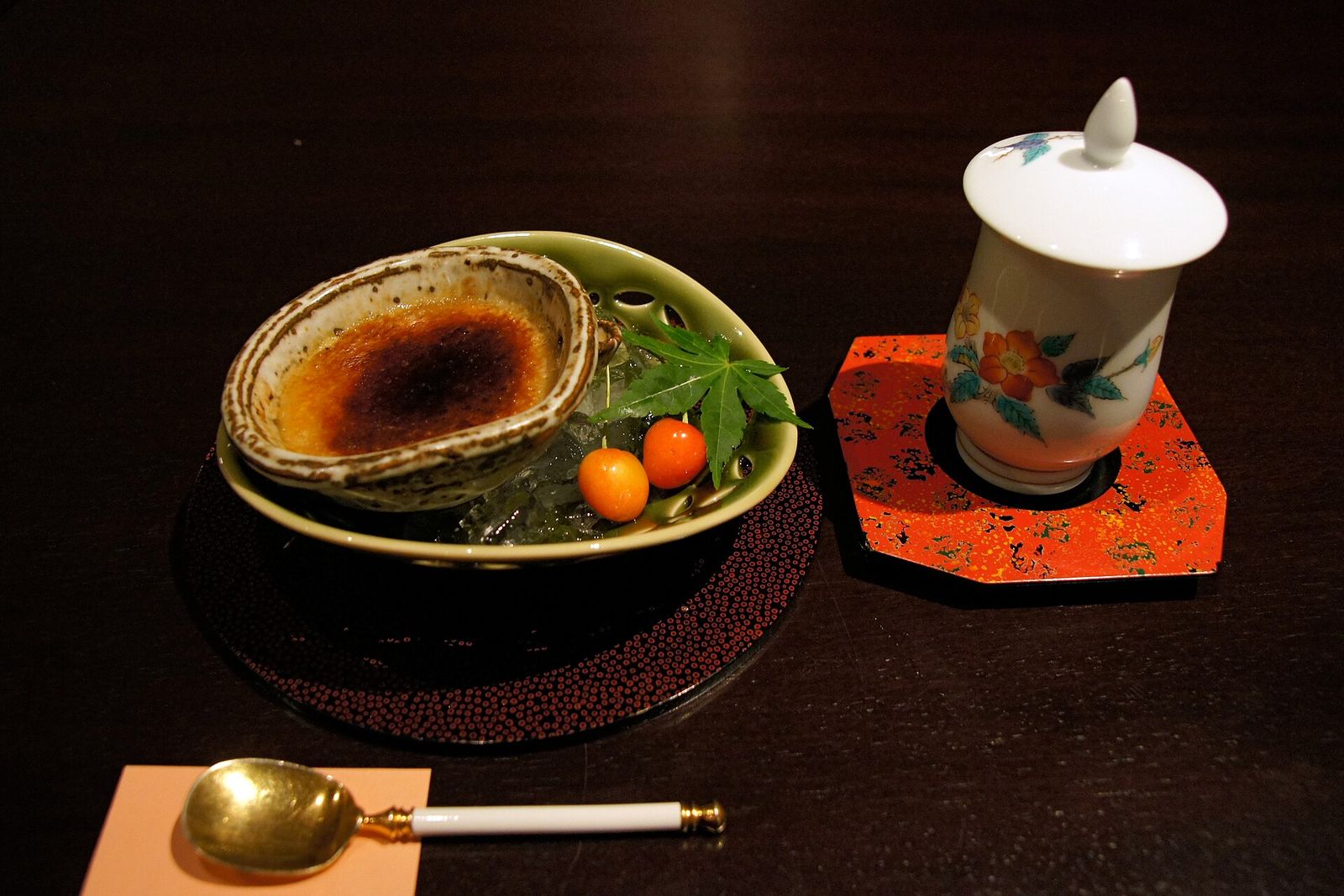
A kaiseki dinner ryokan experience is a meal served in stages, with seasonal ingredients shaping what arrives at the table. For a first-time guest, the main adjustment is often the format: dinner generally begins at a set early time, follows a kitchen-selected menu, and takes about 1.5–2 hours. Depending on the inn, you may eat in your guest room, in a restaurant, or in a private dining room. Knowing those details before booking helps you choose a stay that suits both your appetite and your evening plans.
What is kaiseki dinner at a ryokan?
The Japan Tourism Agency describes a typical ryokan dinner as a traditional kaiseki multi-course meal: an elegant style of cooking that emphasizes seasonal ingredients and subtle flavors. Ingredients come from the surrounding land and sea, and each dish is described as it is served.
The regional element matters as much as the sequence. Ryokan meals frequently feature local specialties and ingredients rooted in the area’s food traditions. Kaiseki is therefore a framework for the meal, not a single menu repeated across every inn.
A full dinner commonly includes roughly 8–14 courses, brought one at a time. Rather than ordering individual dishes at the table, you generally receive a menu the kitchen has planned around the season. The details vary by inn and chef, so a course list is useful for understanding the rhythm, not for predicting every plate.
How the ryokan dinner courses flow
The following is a typical progression — the exact lineup varies by inn and chef. Not every dinner will contain every category, and the number of dishes can differ.
- Sakizuke: A small opening appetizer that begins the meal.
- Hassun: A seasonal platter of small dishes.
- Wanmono: A soup course served in a lidded bowl.
- Mukozuke: Sashimi.
- Yakimono: A grilled course.
- Nimono or takiawase: Simmered dishes.
- Shiizakana: A supplementary course that may appear in the progression.
- Shokuji: Rice, miso soup, and Japanese pickles (konomono).
- Mizumono: Dessert, which closes the meal.
One detail can surprise guests unfamiliar with the format: rice is served near the end, rather than at the start. It belongs to the closing savory stage with miso soup and pickles, before dessert.
The meal’s structure also explains why dinner is not simply a collection of dishes delivered together. Courses are generally served one at a time, though some dishes may arrive together, and how much explanation accompanies them varies by inn. Expect the meal to unfold over the evening rather than arrive as a single spread.
How long dinner takes—and why the start time matters
Allow about 1.5–2 hours for a full kaiseki dinner. That is a common duration, not a guarantee for every inn or menu, but it is a useful basis for planning your evening.
Dinner at a ryokan generally begins at a set, early time, commonly between about 17:30 and 19:00. The starting time is usually selected when booking or at check-in. Confirm the arrangements with your inn rather than assuming you can arrive at the dining room whenever you feel hungry.
This is particularly important if you are planning sightseeing before check-in. Your dinner reservation is part of the stay’s schedule, not an open-ended restaurant booking. Ask which starting times are available and plan your arrival around the time you select — and confirm the latest check-in time that still allows dinner, plus what happens to the meal if you are delayed.
A half-board plan usually includes dinner and breakfast, but check the plan description. It is also worth confirming that the dinner offered is kaiseki: some premium inns provide other fixed-menu formats.
Where dinner is served
In-room dining is one established ryokan format, but it is not universal. A restaurant setting is just as established a pattern, and some properties offer private dining rooms within the restaurant.
Where dinner is served: comparison
| Setting | What it means for you | Verified example |
|---|---|---|
| In your room | Dinner is served in your guest room rather than requiring a move to the inn’s restaurant. | Gora Kadan and Hakone Ginyu serve both dinner and breakfast in the guest room. |
| Inn’s restaurant | You leave your guest room for a dedicated dining setting; private dining rooms may be available. | Hakone Suishoen serves dinner in its restaurant, a 1925 villa registered as a cultural property. FUFU Hakone serves dinner in its restaurant, with private dining rooms available. |
| Restaurant, non-kaiseki formats | The dinner format may be something other than a classic kaiseki progression, so check the meal included in your plan. | Hakone Suishoen offers a teppanyaki option alongside kaiseki. FUFU Hakone offers prix-fixe dinner choices including tempura, sushi, wagyu, or teppanyaki. |
Choose according to the setting you want rather than assuming every ryokan serves meals in the room. If that distinction matters to you, make it part of your shortlist when comparing luxury ryokans in Hakone with private onsen.
The menu deserves the same attention as the location. FUFU Kyoto’s restaurant Ioto, for example, serves Kyoto vegetables and charcoal-grilled dishes. When looking for a Kyoto ryokan with private onsen, check the dining description alongside the bathing arrangements; the meal format is a separate part of the choice.
Drinks, clothing, and what the plan includes
Sake and beer are typically charged separately unless the accommodation plan says otherwise. A dinner-inclusive booking therefore does not necessarily mean drinks are included. Confirm the beverage arrangements with the inn if you want to understand what your plan covers.
Wearing the inn’s yukata to dinner is the normal pattern at most ryokan, including when dinner is served in the restaurant rather than your room — you do not need to change out of it.
For rates, read the inclusions as carefully as the amount. The Japan Ryokan Association listing gives Gora Kadan’s standard rates as ¥52,500–¥92,400 per person, including dinner and breakfast. That example shows why the pricing basis matters: a per-person rate with two meals should be read differently from a room-only figure. For the inn and dates you are considering, rates are shown on the official site.
You can use Luxury Japan Finder as part of your search, then confirm the meal setting, dinner format, and inclusions with the property.
How to request dietary changes
Raise allergies and dietary requirements when booking, not when the first course arrives. The kitchen generally works with a fixed seasonal menu, so dinner is not usually an occasion to choose substitutes from a menu at the table.
Requests such as no raw fish, vegetarian meals, or halal meals need advance discussion. State the requirement clearly and ask whether the inn can accommodate it for the dinner included in your plan. For allergies, also ask about ingredients and preparation; for vegetarian or halal requirements, clarify stocks and seasonings rather than assuming a certification or a simple substitution. Small inns may not be able to meet every request, so do not treat sending a note as confirmation that an alternative is available.
The practical goal is to settle the arrangement before committing to the stay. If a particular dietary requirement determines whether you can eat the meal, obtain a clear answer from the inn rather than leaving the question until check-in.
FAQ
What is a kaiseki dinner, and how long does it take?
Kaiseki is a seasonal multi-course meal, with a full dinner commonly featuring roughly 8–14 courses served one at a time over about 1.5–2 hours. The typical progression includes an appetizer, seasonal platter, soup, sashimi, grilled and simmered dishes, and shiizakana. Rice, miso soup and pickles arrive near the end, followed by dessert.
When does dinner start, and can I wear a yukata?
Dinner generally begins at a set early time, commonly between about 17:30 and 19:00, chosen at booking or check-in. Wearing the inn’s yukata to dinner is normal.
Will dinner be served in my room or in a restaurant?
The setting depends on the ryokan: Gora Kadan and Hakone Ginyu serve dinner in the guest room. Hakone Suishoen serves kaiseki or teppanyaki in its restaurant, a 1925 villa. FUFU Hakone uses its restaurant, with private dining rooms available and prix-fixe choices.
What does half-board include, and can dietary requests be accommodated?
Half-board usually includes dinner and breakfast, while drinks such as sake and beer are typically extra. Gora Kadan’s Japan Ryokan Association standard rates are 52,500–92,400 yen per person, including dinner and breakfast. Requests concerning allergies, no raw fish, vegetarian or halal meals must be raised at booking and confirmed, as small inns may not accommodate every request.
Links on this page go to official ryokan and association pages. Some links on this site are affiliate links — see our Affiliate Disclosure.
Book or visit the official pages
We are not a booking agency. Reservations and payments are made directly with the provider:
Some links on this site may be affiliate links that earn us a commission at no extra cost to you — see our Affiliate Disclosure.
Still deciding?
Answer four quick questions and the Luxury Japan Finder narrows down the ryokans, private experiences and transfers we have checked against official sources — by area, party size and whether you need everything private.
Sources
- Japan Tourism Agency — Kinosaki Onsen: Stay in a Ryokan (kaiseki description)
- Gora Kadan — Japan Ryokan Association listing
- Gora Kadan — official site (English)
- Hakone Suishoen — official site (English)
- FUFU Hakone — official site (English)
Information last checked: 16 November 2026. Prices and availability change; always confirm on the booking page before purchasing.
How we research: this guide is desk research built from the official sources above. We do not accept payment for placement, and we have not stayed at every property listed — the booking page is always the final word on price and conditions.
Related guides
Izu Ryokan Private Onsen: Free-Flowing Baths From Atagawa to Shuzenji
Izu ryokan private onsen guide: Yuhana Mankai's six free private baths, Shioun's ocean-view rooms, Zagyosoh and Shuzenji classics, with prices as displayed.
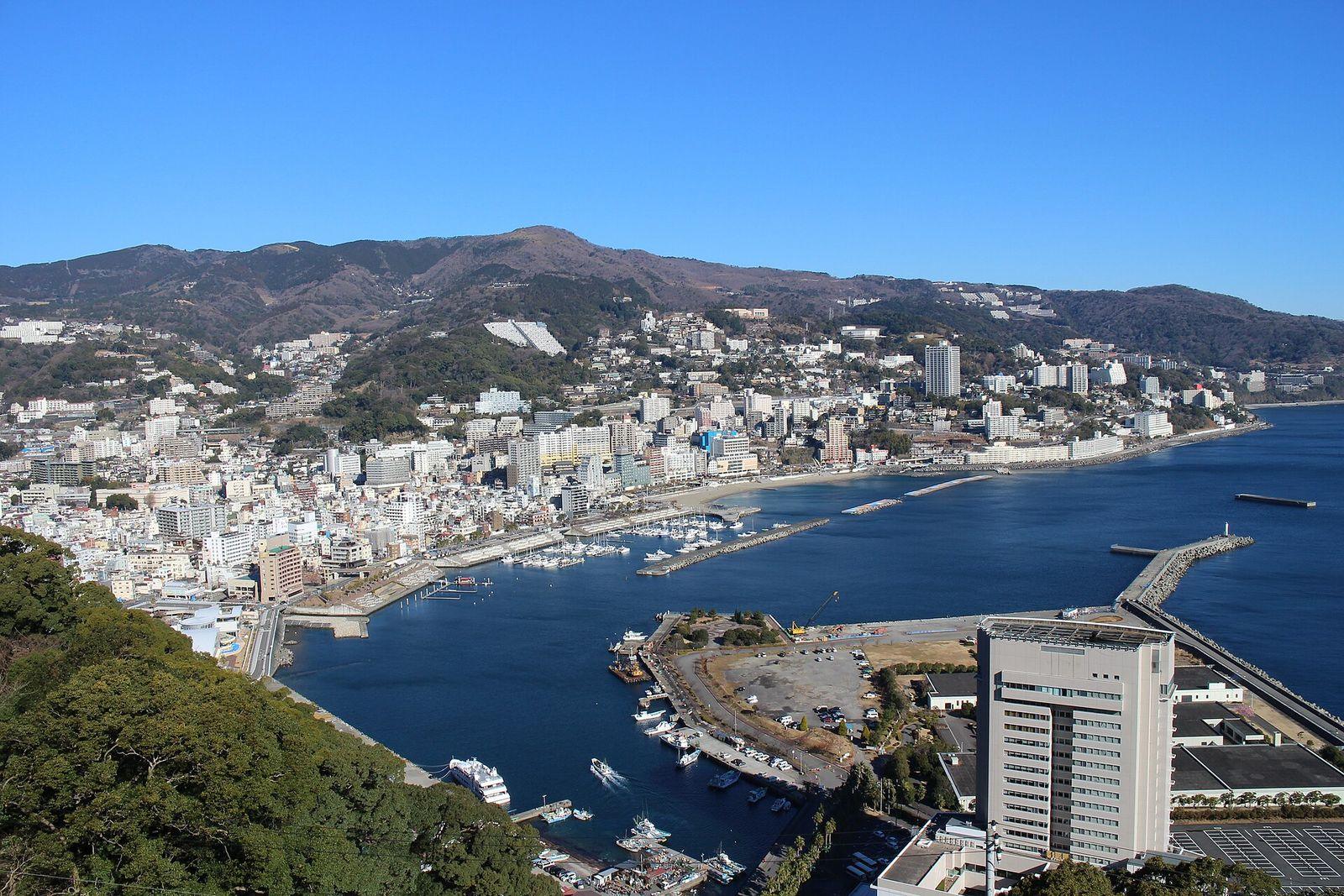
Atami Ryokan with Private Onsen: FUFU Atami vs Atami Izusan KARAKU
An Atami ryokan with private onsen, about 50 minutes from Tokyo by Shinkansen: FUFU Atami (a private open-air spring bath in all 32 suites, plus communal baths and a tattoo note) and Atami Izusan KARAKU (all 57 rooms with open-air onsen baths, Sagami Bay views, kaiseki in two seatings) — compared from official sources.
Hakone Open-Air Museum Private Tour: A Luxury Day, Verified
Hakone Open-Air Museum private tour and self-guided luxury day: official hours and fees, Freepass maths, private tour prices as displayed, and a private-bath pairing.