Tattoo-Friendly Luxury Ryokans with Private Onsen: Hakone and Atami
Five luxury ryokans near Tokyo compared on their published tattoo policies and private onsen — one that welcomes tattoos in its shared baths, and four where a private in-room onsen is the reliable route.
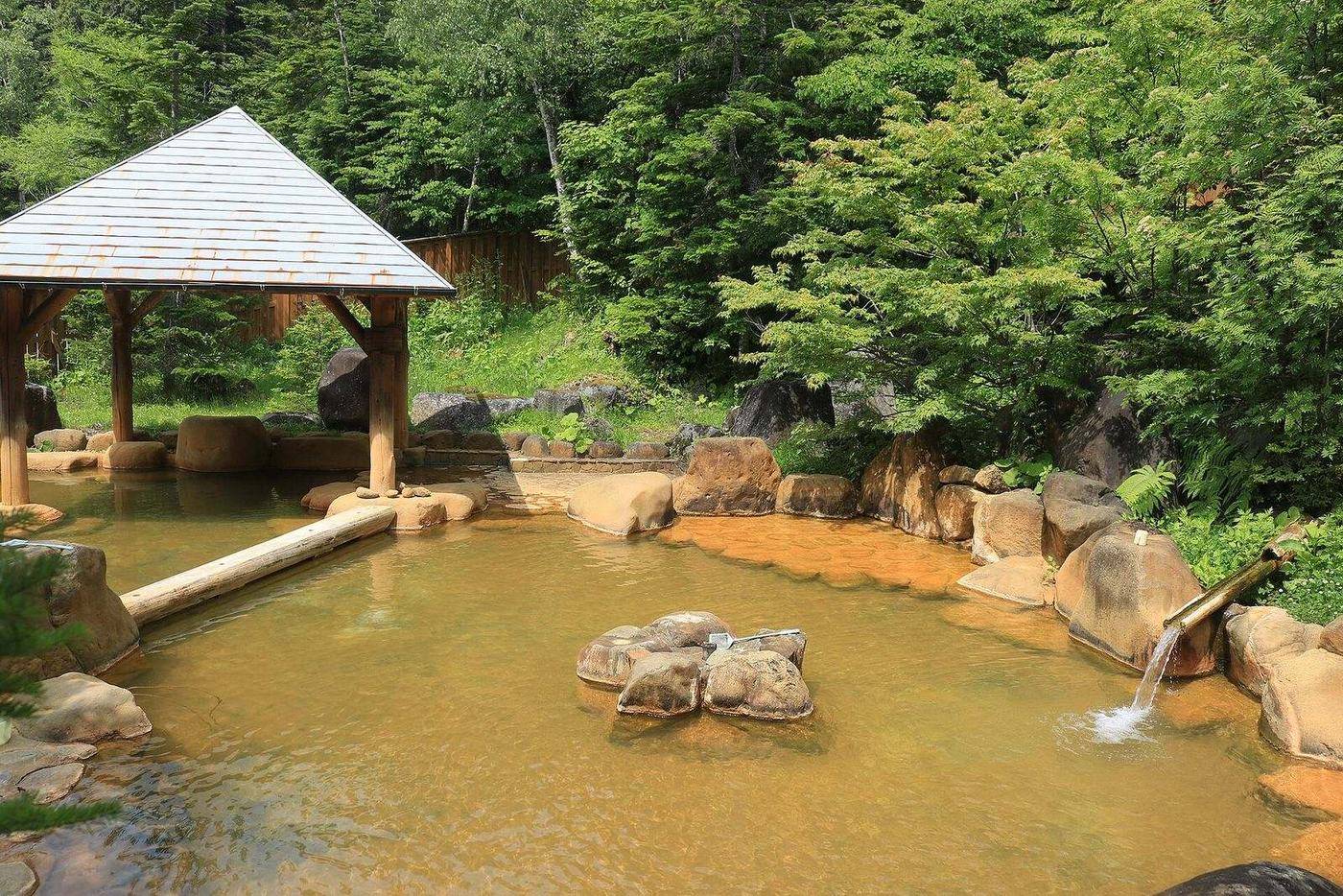
If you have tattoos, the standard advice for Japanese hot springs — “just book a room with a private bath” — is correct, but incomplete. Policies differ sharply even between neighboring luxury ryokans: one inn in Hakone explicitly welcomes tattooed guests into its large shared baths, another allows small tattoos there but sends larger work to a private bath, and others bar tattoos from the shared baths entirely while putting a private onsen in every room. This guide compares published tattoo policies and private-bath facilities at five luxury ryokans in Hakone and nearby Atami, quoting each policy in the property’s own terms; where an inn publishes no shared-bath policy, we say so. For a broader comparison of Hakone’s private-bath inns, see our guide to luxury ryokans in Hakone with private onsen, or narrow options by area, party size and budget in the Luxury Japan Finder.
Why tattoos are restricted in shared onsen — and why a private bath solves it
There is no national law banning tattoos in baths. Each facility sets its own rule. The Japan Tourism Agency explains the background plainly: in the minds of many Japanese, tattoos are associated with organized crime groups, the sight of one may make fellow guests uncomfortable, and that is why people with tattoos have been banned from most of Japan’s public bathing facilities. The same agency notes that understanding of tattoo cultures outside Japan has grown, and that policies now range from no restrictions at all to case-by-case decisions — for example, one or two small tattoos being fine.
Private baths generally avoid the shared-space concern, which is why the agency states that guests with tattoos can use private baths — in guest rooms or reserved for a set period — with no issue. Where an inn does not publish explicit permission, confirm its admission and private-bath rules before booking. There are two kinds to distinguish when you book:
- In-room private onsen: a hot-spring bath attached to your own room, usable whenever you like. This is the most reliable option for tattooed guests.
- Reservable private bath (kashikiri): a separate bath you book for a set time slot. Also private while you use it, but you depend on availability and time limits.
One caution: a cover sticker or seal is only a solution where the property itself says so. Do not assume a covered tattoo is acceptable in a shared bath unless the inn’s own page states it.
The five ryokans compared
| Property | Area | Private onsen type | Tattoo policy for shared baths | Price as displayed | Best for |
|---|---|---|---|---|---|
| Madoka no Mori | Gora, Hakone | In-room open-air bath in all 20 rooms (free-flowing) | Welcome — official FAQ: guests with tattoos may use the large bath | See official site | Travelers who want the full shared-bath experience, tattoos included |
| Gora Kadan | Gora, Hakone | In-room open-air bath (many rooms) plus free reservable private bath (40 min) | Small fashion tattoos up to ~A4 size (210 × 297 mm) permitted; larger tattoos asked to use the private bath | ¥52,500–¥92,400 per person, half board (Japan Ryokan Association) | Small tattoos, plus a classic luxury stay with a private fallback |
| Kinnotake Tonosawa | Tonosawa, Hakone | In-room terrace open-air bath in all 21 rooms; no communal baths at all | Not applicable — there are no shared baths | From ¥84,150 per room for 2 (advance plan) | Larger tattoos; the simplest possible answer — everything is private |
| FUFU Atami | Atami | In-room open-air bath in every room | Not permitted — official notice asks guests with tattoos not to use the open-air communal bath | See official site | A short Shinkansen trip from Tokyo, with the soak kept entirely in-room |
| Hakone Ginyu | Miyanoshita, Hakone | In-room open-air bath in all rooms, facing the Hayakawa Valley | Not stated on the official site — ask the inn before relying on the shared baths | From ¥44,700 per person at double occupancy | Travelers happy to stay in-room for bathing, with in-room kaiseki dining |
Madoka no Mori — tattoos welcome in the large bath
Madoka no Mori is the exception in this list, and its official FAQ is unambiguous. Asked “Can guests with tattoos use the large bath?”, the inn answers: “Yes, guests with tattoos are welcome to use the large bath.” No size limit and no cover requirement is stated. That makes it a straightforward choice if you want the classic communal-bath experience — a large indoor bath and open-air tubs in the woods, open 15:00–24:00 and 05:00–10:00 — without negotiating conditions at check-in.
You are not giving up privacy to get that welcome: all 20 rooms have their own open-air bath, fed free-flowing from one of the inn’s two private spring sources (the second source feeds the large baths). Rooms are Japanese-Western style with beds and extensive Hida woodwork. Check the official booking page for rates on your dates.
Gora Kadan — small tattoos in the shared bath, larger ones to the private bath
Gora Kadan publishes a size-based tattoo policy. Its official FAQ states that small fashion tattoos, up to approximately A4 size (210 × 297 mm, about 8.3 × 11.7 inches), are permitted in the public baths and pool, and that guests with larger tattoos are kindly asked to use the private bath; the pool may also be available for private use, subject to availability on the day.
The private fallback here is strong, subject to availability. Many rooms have their own open-air bath, and the inn offers a reservable private open-air bath — free-flowing from the source, with a steam sauna — for 40 minutes at no additional charge. If your tattoo is larger than A4, book a room with its own bath or reserve that private slot and you are covered without covering anything. Reference rates listed by the Japan Ryokan Association run ¥52,500–¥92,400 per person including dinner and breakfast; live prices vary by date and plan.
Kinnotake Tonosawa — no shared baths, so no shared-bath rule
Kinnotake Tonosawa has no communal bathhouses at all, so there is no shared-bath rule to navigate. All 21 rooms have a private, free-flowing open-air bath on the terrace, fed by the inn’s own golden-colored source. The operator’s official site states the conclusion directly — because all bathing is 100% private and inside the guest room, the ryokan is fully accessible to guests with tattoos, regardless of size or coverage.
Two practical notes from our Hakone ryokans guide: the inn accepts guests aged 12 and over only, and official per-room rates for two with dinner and breakfast start at ¥84,150 on an advance-purchase plan (non-refundable), rising to ¥198,000–¥231,000 for the suites.
FUFU Atami — explicit rule, private bath in every room
Some Shinkansen services take under an hour from Tokyo Station to Atami Station (allow additional time to reach the ryokan), and FUFU Atami states its position on its official hot springs page: every room features a private open-air bath, and — in the communal bath’s notice — children in diapers and individuals with tattoos are kindly requested not to use the open-air communal bath. Read together, the arrangement is clear: the shared bath (open 6:00–11:00 and 15:00–24:00, with saunas) is off-limits if you have tattoos, and the bath in your room is your onsen.
All rooms are suites with an open-air bath fed by the inn’s Atami spring (a calcium-sodium-sulfate-chloride water). Because there is no exception or cover option in the official wording, do not plan on the open-air communal bath even for a small tattoo. Rates vary by date and room type; check the official booking page.
Hakone Ginyu — private bath guaranteed, shared-bath policy unpublished
Every Ginyu room faces the Hayakawa Valley with its own open-air bath on the terrace, and both dinner and breakfast are served in your room — the most self-contained pattern in this list, and a reliable one for tattooed guests who are content to bathe in-room.
Be precise about the limit of what is known, though: Ginyu’s official site does not publish a tattoo policy for its two large shared baths. That silence is not permission. If using the shared baths matters to you, ask the inn directly before booking; if it does not, the in-room bath makes the question moot. Official “from” prices start at ¥44,700 per person at double occupancy.
Onsen etiquette basics
Whatever the tattoo policy, common communal-onsen etiquette includes the following — follow the posted rules at each inn. From the Japan Tourism Agency’s guidance for communal baths:
- Wash first. Shower and wash your entire body before getting into the bath.
- Ease in. Pour bath water over yourself first (kakeyu) to get used to the temperature.
- Keep the water clean. Do not put your towel in the bath or let it touch the water; tie up long hair.
- Bathe nude. Do not wear a swimsuit or any other clothing into the bath.
- Respect the quiet. No photos in the bathing area, and keep conversation low — many guests are there to relax in silence.
- Know your limits. Avoid bathing after heavy drinking, and take care with very hot water and late-night bathing.
Most of this applies in a private bath too, minus the audience: wash before you soak, and do not add anything to the water.
Atami is the closest alternative from Tokyo — see Atami luxury ryokans with private onsen for the two properties we checked.
FAQ
Are tattoos allowed in onsen at luxury ryokans in Hakone and Atami?
There is no national law banning tattoos in baths; each facility sets its own rules. The Japan Tourism Agency states that guests with tattoos can use private baths with no issue. A cover sticker is only a solution where the property itself says so.
Which ryokans allow tattooed guests to use shared baths?
Madoka no Mori in Gora, Hakone, welcomes guests with tattoos in its large bath, with no tattoo size limit stated in its official FAQ. Gora Kadan permits small fashion tattoos up to about A4 size (210 × 297 mm) in its public baths and pool; guests with larger tattoos are asked to use the private bath. FUFU Atami does not permit tattoos in its communal open-air bath, while Hakone Ginyu does not publish a shared-bath tattoo policy on its official site, so ask the inn.
Which properties have private open-air baths in every room?
Madoka no Mori, Kinnotake Tonosawa, FUFU Atami and Hakone Ginyu all have private open-air baths in every room. Kinnotake Tonosawa has no communal baths at all, and all 21 rooms have a private terrace open-air bath. It accepts guests aged 12 and over.
What is the difference between an in-room bath and a reservable private bath?
An in-room bath is available throughout your stay, while a reservable private bath is booked for a fixed slot. Gora Kadan has in-room baths in many rooms, plus a free reservable private bath available for 40 minutes.
Links on this page go to official ryokan and association pages. Some links on this site are affiliate links — see our Affiliate Disclosure.
Book or visit the official pages
We are not a booking agency. Reservations and payments are made directly with the provider:
- Madoka no Mori — rooms and FAQ (official site)
- Gora Kadan — rooms and rates (official site)
- Kinnotake Tonosawa — rooms and rates (official site)
Some links on this site may be affiliate links that earn us a commission at no extra cost to you — see our Affiliate Disclosure.
Still deciding?
Answer four quick questions and the Luxury Japan Finder narrows down the ryokans, private experiences and transfers we have checked against official sources — by area, party size and whether you need everything private.
Sources
- Japan Tourism Agency — Questions for Ryokan? (tattoos, private baths, etiquette)
- Madoka no Mori — official FAQ (English)
- Madoka no Mori — official guest rooms (English)
- Gora Kadan — official FAQ (English, PDF)
- Gora Kadan — Japan Ryokan Association listing
- Kinnotake Resorts — official blog: Hakone areas and tattoo access
- Kinnotake Tonosawa — official site (English)
- FUFU Atami — official hot springs page (English)
- Hakone Ginyu — official site (English)
Information last checked: 16 November 2026. Prices and availability change; always confirm on the booking page before purchasing.
How we research: this guide is desk research built from the official sources above. We do not accept payment for placement, and we have not stayed at every property listed — the booking page is always the final word on price and conditions.
Related guides
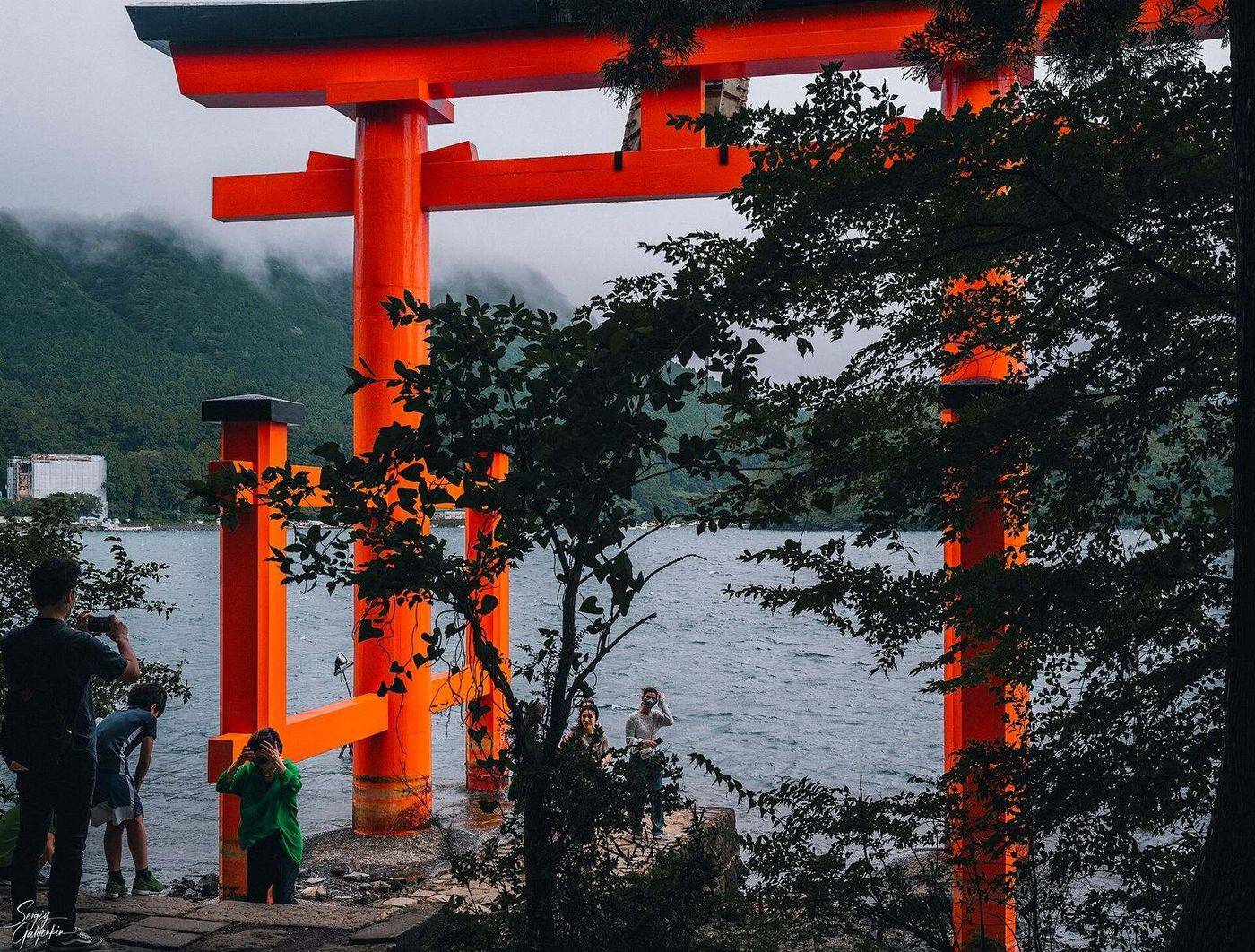
Luxury Ryokans in Hakone with Private Onsen: A Practical Guide
Five luxury Hakone ryokans with private open-air baths compared — in-room vs. reservable baths, kaiseki dining, prices with their basis clearly labeled, and access from Tokyo.
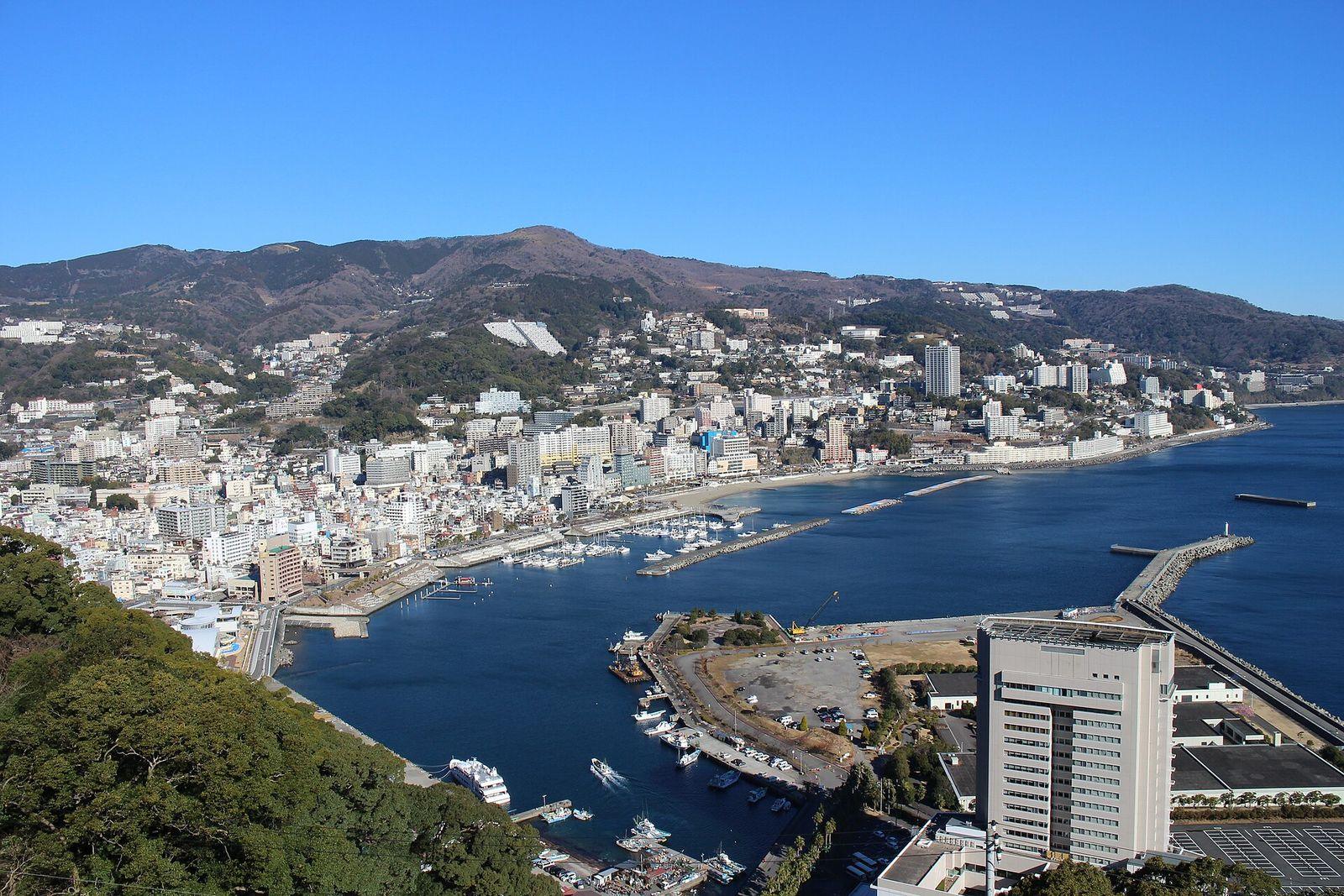
Atami Ryokan with Private Onsen: FUFU Atami vs Atami Izusan KARAKU
An Atami ryokan with private onsen, about 50 minutes from Tokyo by Shinkansen: FUFU Atami (a private open-air spring bath in all 32 suites, plus communal baths and a tattoo note) and Atami Izusan KARAKU (all 57 rooms with open-air onsen baths, Sagami Bay views, kaiseki in two seatings) — compared from official sources.
Hakone Open-Air Museum Private Tour: A Luxury Day, Verified
Hakone Open-Air Museum private tour and self-guided luxury day: official hours and fees, Freepass maths, private tour prices as displayed, and a private-bath pairing.