Private Onsen Etiquette: The Rules First-Timers Get Wrong
Private onsen etiquette explained for first-timers: wash before you soak, kakeyu, why towels, hair and swimwear stay out of the water, photography, tattoos, and how in-room and reservable private baths differ — following the Japan Tourism Agency's official guidance.
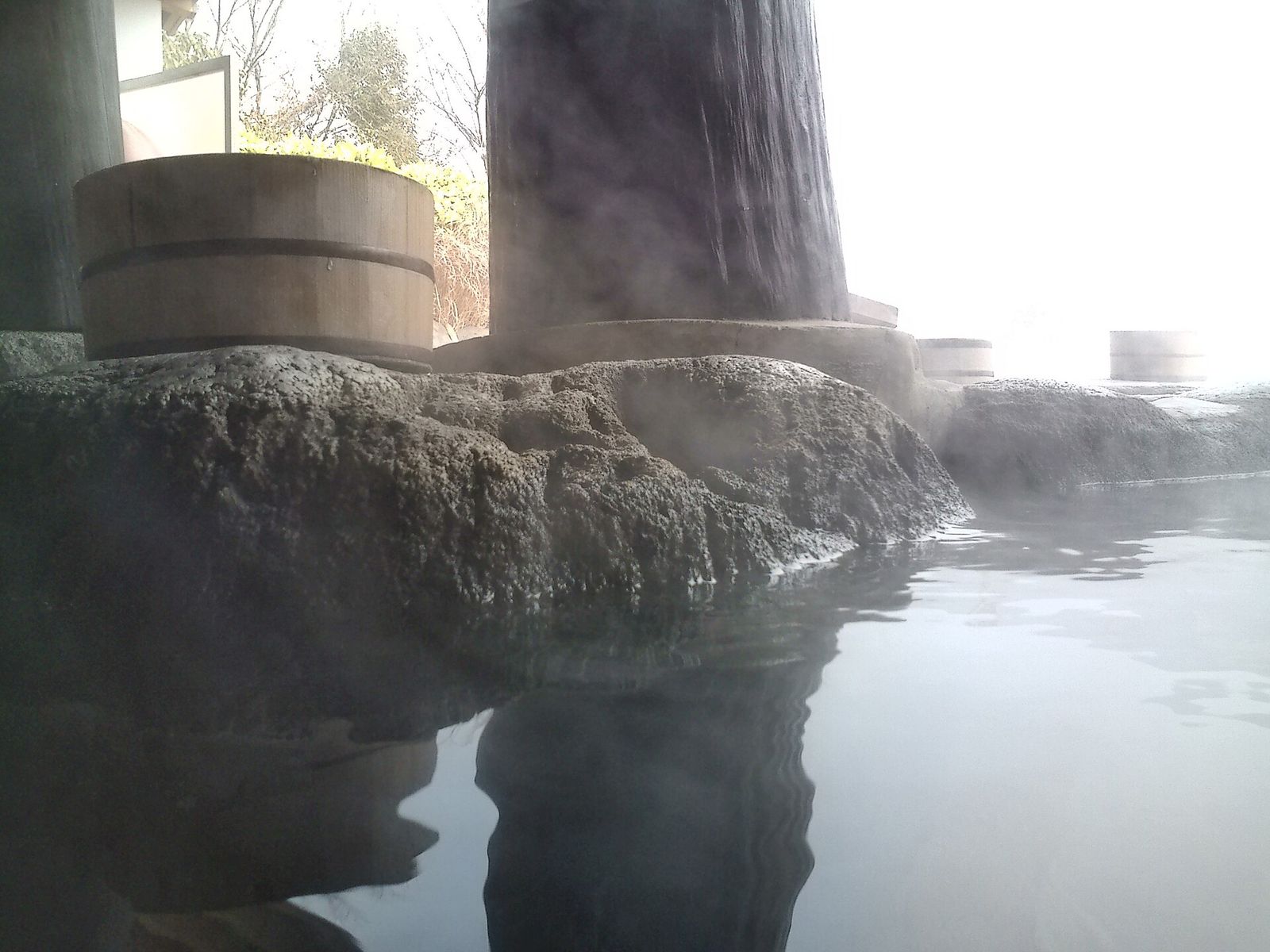
Private onsen etiquette is mostly about keeping the bathing water clean, respecting privacy, and taking the heat seriously—even when you have a bath to yourself. The main distinction is between a bath attached to your own room and a private bath reserved for a set period. Both offer privacy, but access arrangements differ, and neither makes towels, swimwear, or an unwashed body appropriate in the soaking tub. The guidance below follows the Japan Tourism Agency’s general advice for ryokan (traditional Japanese inn) baths; check your inn’s own instructions rather than assuming every property handles every detail identically.
Private onsen etiquette starts with the type of bath
A private bath can mean two different things. An in-room private bath belongs to your accommodation and is yours to use throughout your stay. A reservable private bath is used privately for an agreed period, rather than being yours throughout your stay.
For a reservable bath, the Agency advises speaking to staff when you arrive. Some inns also accept reservations in advance, so check when booking. Do not assume that booking a room automatically secures a particular private-bath slot.
A shared communal bath is different again: other guests may be present, and access follows the facility’s posted hours, excluding cleaning periods. Many communal baths are open late at night and early in the morning, but that is not a promise of continuous access.
One important booking detail: a bath in a room is not necessarily fed by hot-spring water. Check whether the inn actually describes it as an onsen.
Wash first, then use kakeyu to adjust to the heat
The first step is to wash your whole body in the shower and rinse off all soap before entering the soaking tub. This applies whether the bath is communal, reserved privately, or attached to your room.
The soaking water is not where you wash. Having exclusive access does not change that distinction: finish washing and rinsing before you get in.
Kakeyu means splashing bathwater over your body with the small basin provided before entering. Some baths are very hot, and the Agency recommends this step to help your body get used to the temperature and avoid a sharp rise in blood pressure.
Washing and kakeyu serve different purposes. Washing cleans your body; kakeyu helps you adjust to the heat. A quick splash does not replace a full wash, and having showered does not remove the reason to approach hot water carefully.
If you are unsure how the bathing area is arranged, ask staff how to use that particular facility.
Towels, hair, and swimwear: what stays out
Several of these bathing rules are easy to understand once you separate washing from soaking.
Your towel must stay out of the bath. Do not immerse it, and do not let even a corner touch the water. The rule is not simply “do not wash your towel in the tub”; it is no towel contact with the bathwater.
Tie up long hair so it does not enter the water. Privacy does not change this requirement: it applies just as much in your room’s bath as in a shared facility.
Never wear a swimsuit or other clothing into the bath. A reservable bath is private, but it is not a swimwear exception. If you prefer not to bathe around other guests, the relevant choice is a private bathing arrangement—not clothing in a communal bath.
The same basic hygiene principles apply across the three bath types. What changes is who has access and when, not the basic separation between the water and towels, hair, or clothing.
How the rules compare across bath types
The table below summarizes the Agency’s general guidance. Access details and property-specific instructions should still be confirmed with your inn.
| Rule | In your own room’s private bath | Reservable private bath | Shared communal bath |
|---|---|---|---|
| Wash/shower before entering | Wash your whole body and rinse off soap first | Wash your whole body and rinse off soap first | Wash your whole body and rinse off soap first |
| Towel in the water | Never; do not let it touch the water | Never; do not let it touch the water | Never; do not let it touch the water |
| Swimwear | Never; no clothing in the bath | Never; no clothing in the bath | Never; no clothing in the bath |
| Photography | Not applicable to others’ privacy in your own room; check the inn’s guidance | Prohibited in shared/reservable facilities used by others | Prohibited in shared/reservable facilities used by others |
| Who else is present | Your own room’s occupants | Your private party during the reserved period | Other guests may be present |
| When you can bathe | Throughout your stay; heed the advice below about late-night bathing and alcohol | During your reserved slot | Posted hours, excluding cleaning periods |
Photography and noise still need care
The Agency’s general rule is no photography in bathing areas, because privacy matters. For communal baths and reservable facilities used by other guests, follow that prohibition even if the bath is privately assigned to you for a period.
Your own room’s bath is a different privacy context: the concern about photographing other bathers in a shared facility does not apply in the same way. That distinction is not a blanket promise about an individual inn’s photography policy. Check its guidance rather than treating “private” as automatic permission.
Keep conversation quiet, too. The Agency asks guests not to talk loudly because people come to relax. Exclusive use of a bath is not a reason to disregard that guidance.
Tattoos: distinguish private access from communal policy
The Agency states that guests with tattoos can use private baths with no issue, while shared-bath policies are set by each inn.
That distinction matters more than a broad claim that a ryokan is either “tattoo-friendly” or not. Historically, tattoos were associated with organized crime, and many public bathing facilities banned them. Policies now vary widely: some inns have no restrictions, while others decide case by case, and one or two small tattoos may be acceptable.
For communal bathing, ask about the inn’s policy before relying on access. Permission to use a private bath does not establish permission to use the shared one.
If private bathing is central to your plans, our guide to tattoo-friendly ryokans with private onsen provides a starting point for choosing accommodation.
Plan access without overlooking the bathing guidance
An in-room bath gives you flexibility, but having access throughout your stay is not a recommendation to bathe under every circumstance. The Agency advises refraining from bathing in the middle of the night or after heavy consumption of alcohol.
For reservable facilities, confirm how reservations work when booking, then speak to staff on arrival as the Agency recommends. For communal baths, check posted opening and cleaning times instead of assuming that late opening means uninterrupted access.
When comparing luxury ryokans in Hakone with private onsen, distinguish an in-room bath from access to a reservable one — Gora Kadan, for example, offers both an in-room bath in many rooms and a reservable private bath at the same property. You can also use Luxury Japan Finder as a starting point, then confirm the bathing arrangements directly with the inn.
The practical takeaway is straightforward: choose the privacy arrangement you want, verify access, and keep the same basic washing and soaking habits whichever bath you use.
FAQ
Do I need to wash before entering a private onsen?
Yes. Wash your whole body and rinse off all soap before entering the soaking tub, in every bath type. Kakeyu—splashing bathwater over your body with a basin—helps you adjust to the heat and avoid a sharp rise in blood pressure, but it does not replace washing.
What etiquette should I follow while bathing?
Keep towels out of the bathwater, tie up long hair so it stays out of the water, and never wear swimwear or clothing in the bath. Keep conversation quiet, and do not take photographs in bathing areas used by others. Avoid bathing in the middle of the night or after heavy drinking.
How do in-room baths differ from reservable private baths?
An in-room private bath is yours throughout your stay, while a reservable private bath is private only for your reserved slot. The Japan Tourism Agency advises speaking to staff on arrival, and some inns accept advance reservations. A bath in your room is not necessarily fed by hot-spring water, so check whether the inn calls it an onsen.
Can guests with tattoos use private onsen baths?
According to the Japan Tourism Agency, guests with tattoos can use private baths with no issue. For shared baths, tattoo policies are set by each inn.
Etiquette points above follow the Japan Tourism Agency’s official ryokan guidance. Some links on this site are affiliate links — see our Affiliate Disclosure.
Book or visit the official pages
We are not a booking agency. Reservations and payments are made directly with the provider:
Some links on this site may be affiliate links that earn us a commission at no extra cost to you — see our Affiliate Disclosure.
Still deciding?
Answer four quick questions and the Luxury Japan Finder narrows down the ryokans, private experiences and transfers we have checked against official sources — by area, party size and whether you need everything private.
Sources
Information last checked: 16 November 2026. Prices and availability change; always confirm on the booking page before purchasing.
How we research: this guide is desk research built from the official sources above. We do not accept payment for placement, and we have not stayed at every property listed — the booking page is always the final word on price and conditions.
Related guides
Luxury onsen towns in Japan compared: Hakone, Kusatsu, Kinosaki, Beppu and Yufuin
Compare five Japanese onsen towns for a luxury stay — Hakone, Kusatsu, Kinosaki, Beppu and Yufuin — by water character, setting and access.
Private Onsen Day Trip From Tokyo: Hakone's Private Baths by Day
A private onsen day trip from Tokyo: Hakone Yuryo's 19 private open-air baths with official per-room prices, Romancecar timing, and other day-use options checked.
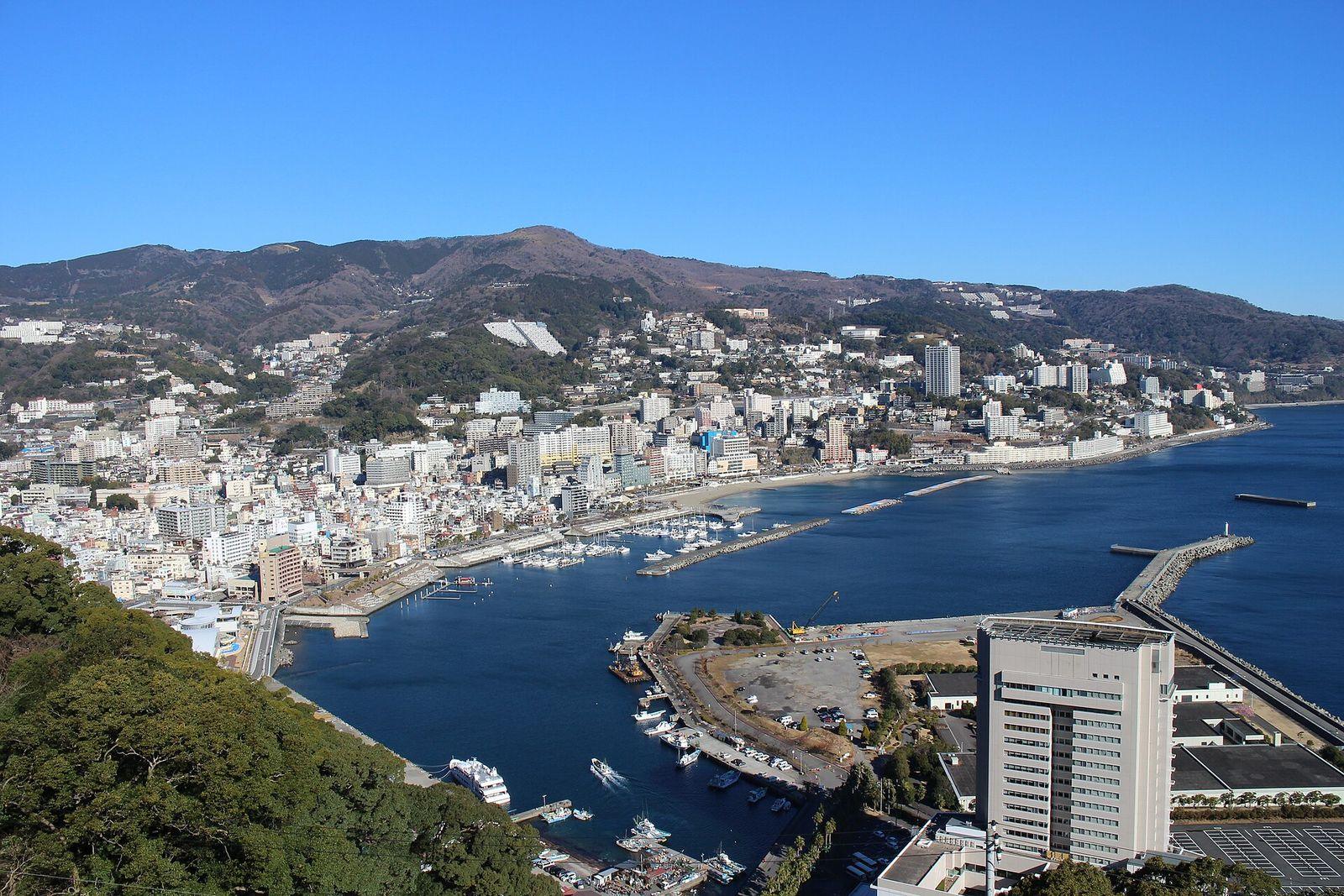
Atami Ryokan with Private Onsen: FUFU Atami vs Atami Izusan KARAKU
An Atami ryokan with private onsen, about 50 minutes from Tokyo by Shinkansen: FUFU Atami (a private open-air spring bath in all 32 suites, plus communal baths and a tattoo note) and Atami Izusan KARAKU (all 57 rooms with open-air onsen baths, Sagami Bay views, kaiseki in two seatings) — compared from official sources.