Takayama ryokans with private onsen: what 'private' really means (Green Hotel & Wanosato)
Takayama ryokan private onsen explained honestly: in-room open-air baths are usually not spring water — Takayama Green Hotel's FAQ says so — while Wanosato's own-source spring fills its shared baths.
Alternative title: Private Baths in Takayama: An Honest Guide to Green Hotel and Wanosato
Meta description: Looking for a Takayama ryokan with a private onsen? Compare Green Hotel and Wanosato, and learn which baths actually use natural hot-spring water.
A search for “Takayama ryokan private onsen” can turn up something different from what you imagined. A beautiful bath attached to your room may offer complete privacy without containing natural hot-spring water. An open-air bath is not automatically an onsen, and a secluded ryokan does not necessarily provide spring water in every guest-room tub.
That distinction matters at both properties covered here. Takayama Green Hotel explicitly states that none of its in-room baths use onsen water, including its private open-air baths. Its natural hot-spring water is in the shared baths. At Wanosato, an own-source spring supplies the shared baths, while every room has a private indoor hinoki bath for personal soaking.
Both can suit travellers who want privacy. Neither should be booked on the assumption that a private room bath means a private natural onsen.
At a glance: private baths versus spring water
| Property | Private bath in room | Is it spring water? | Shared onsen | Setting | Choose it for |
|---|---|---|---|---|---|
| Takayama Green Hotel | Private open-air baths in selected room types, including main-building suites and Orinkaku rooms | No. The official FAQ explicitly excludes all room baths from its onsen facilities | Natural hot-spring water; no bookable private onsen | Large hotel about six minutes on foot from JR Takayama Station’s west exit | Station access, selected rooms with outdoor soaking, and shared onsen |
| Wanosato | Private indoor hinoki bath in every room | Do not assume so: the verified spring-water provision is in the shared baths | Own-source Hida Kuraiyama Onsen, with a rock bath and a full-hinoki bath | Secluded riverside ryokan in Ichinomiya, about 20 minutes by reserved shuttle from the station | A small-scale rural retreat, private indoor bathing, and seasonal kaiseki |
The useful comparison is not simply “which property has a private bath?” Both do. It is whether you want private soaking, natural spring water, or both at the same time.
What “private onsen” can mean in Takayama
The phrase is used loosely enough that it needs unpacking before you book. In Takayama listings, it can describe three different arrangements.
1. A bath inside your room
This is the clearest form of privacy: the bath belongs to your accommodation rather than a shared bathing area. It might be indoors or open-air, but neither its location nor its appearance establishes the water source.
Takayama Green Hotel provides a particularly useful example. Its official wording is unambiguous: “None of the baths in the rooms are onsen (including the room with open-air bath)” and “We have only public Onsen.”
You can check that distinction in the Takayama Green Hotel official FAQ. A room with an outdoor bath can still be an appealing choice; it simply should not be sold to yourself as an in-room hot-spring experience.
2. A bookable private bath
This means a separate bathing facility reserved for exclusive use, rather than a bath permanently attached to your room. It is a different category and needs a separate check.
Takayama Green Hotel has no bookable private onsen facilities. Booking a room with a private bath does not change that.
For any other listing using this language, establish whether the facility is genuinely reservable and whether it contains spring water. The word “private” answers an access question, not a water-source question.
3. A bath at a secluded ryokan
Sometimes the appeal is the privacy of the overall setting: few rooms, detached accommodation, quiet grounds, and distance from central Takayama.
Wanosato fits that kind of retreat. But seclusion does not make its shared onsen private. Its room baths and shared spring-fed baths should still be considered separately.
The safest rule is simple: use the property’s own pages to verify both who can use the bath and what water fills it.
Takayama Green Hotel: private open-air soaking near the station
Takayama Green Hotel, part of the Keio Group, is a large onsen hotel about a six-minute walk from JR Takayama Station’s west exit. A free station shuttle is also available.
Its practical appeal is the combination of station access, shared natural hot springs, and selected rooms with private open-air baths. Those features can work well together, provided you understand that they are separate experiences.
What to book—and what not to expect
Several room categories have private open-air baths, including suites in the main building and rooms in the Orinkaku wing. This is a room-specific feature, not something to assume across the hotel.
If outdoor soaking in your own space is the priority, check the exact room description before reserving. However, the hotel’s FAQ rules out natural onsen water in every guest-room bath, including those open-air options.
There is also no separate private onsen to book. Travellers who need both exclusive use and natural spring water should not treat this hotel as a confirmed match.
Where the natural hot-spring water is
The natural hot-spring water is in the shared public onsen baths. Guest bathing hours are 3:00pm–1:00am and 5:00am–10:00am.
That creates a straightforward division: use your room bath for privacy and the shared facilities for the hot-spring experience. If you are comfortable with both, a room with an open-air bath can be a worthwhile addition rather than a substitute for the onsen.
The hotel allows guests to use the onsen when tattoos can be covered, for example with stickers. If covering your tattoos may be difficult, confirm your circumstances directly rather than assuming the policy will accommodate them.
Practical details
Check-in is 3:00pm in the main building and 2:00pm in Orinkaku and on premium floors. Corresponding check-out times are 10:00am and 11:00am.
An onsen tax of 150 yen per guest aged 12 or older, per night, applies. Restaurants include a buffet with Hida beef dishes, but there is no in-room dining.
Choose it for: Station convenience, selected rooms with private open-air baths, and natural hot springs in shared facilities—not a private spring-fed bath.
Wanosato Takayama: a secluded ryokan with private hinoki baths
Wanosato offers a different setting: a secluded luxury ryokan in Ichinomiya, south of central Takayama, with only eight rooms across detached buildings and the main house.
The grounds sit beside the Miyagawa River. The main building is a reconstructed, 160-year-old wealthy farmer’s house with an irori hearth, giving the property a distinctive architectural focus.
The transfer from JR Takayama Station takes about 20 minutes by shuttle, which must be reserved in advance. This is a place to choose deliberately for its rural setting rather than for immediate station access.
Private indoor bathing in every room
Every room has a private indoor hinoki bath. That is an important distinction from Green Hotel’s selected open-air room baths: at Wanosato, private bathing is available throughout the accommodation, but it is indoors.
For travellers seeking time alone in the bath, that may answer the main requirement. For anyone specifically seeking private natural hot-spring water, it does not settle the question.
The verified information places Wanosato’s own-source spring water in its shared baths. Do not turn the presence of a room’s hinoki tub into a claim that it is a private onsen.
Its own spring supplies the shared baths
Wanosato’s source is registered as Hida Kuraiyama Onsen. It fills the shared bathing facilities: a rock bath and a full-hinoki cypress bath.
The distinction is therefore between a private indoor soak in your room and an own-source hot-spring soak in a shared facility. A small room count does not make those shared baths exclusively yours.
Kaiseki dinners use local seasonal ingredients, making dining another part of the stay to consider alongside the baths and rural surroundings.
Choose it for: An eight-room riverside retreat, private indoor hinoki bathing, own-source shared onsen, and seasonal kaiseki—not an assumed private spring-fed room bath.
How to choose the right stay
Begin with the requirement you would be most disappointed to lose.
If privacy matters more than the water source
Both properties offer a route to private soaking. At Green Hotel, choose a room category that specifically includes an open-air bath. At Wanosato, every room has an indoor hinoki bath.
Decide whether being outdoors matters to you. A private indoor bath and a private open-air bath are not interchangeable experiences, even when neither is being presented as a verified private natural onsen.
If natural hot-spring water is essential
Both properties provide it in their shared facilities. The question is whether you are happy to use those facilities separately from your room bath.
If private natural spring water is non-negotiable, neither property is established by the information here as meeting that combined requirement. Green Hotel explicitly does not. Wanosato’s confirmed spring-water provision is in its shared baths.
Before paying, ask: “Does this exact room’s private bath contain natural hot-spring water?” That is more precise than asking whether the hotel “has an onsen.”
If your itinerary includes excursions
Green Hotel’s location may suit travellers who want to stay close to the station. Wanosato requires more deliberate transfer planning because its shuttle must be reserved.
If you are arranging a Shirakawa-go private tour from Takayama, coordinate the meeting point and return arrangements with your accommodation choice. Do not assume a rural ryokan transfer will automatically align with an excursion.
For bathing preparation, consult the private onsen etiquette guide, then check the property’s own rules. General guidance cannot override hotel-specific conditions.
For a different onsen town with the same private-bath focus, compare luxury ryokans in Kinosaki Onsen.
FAQ
Does a private open-air bath in Takayama always use onsen water?
No. “Open-air” describes the bath’s setting, while “private” describes access. Neither guarantees natural hot-spring water. Takayama Green Hotel explicitly states that its room baths, including open-air baths, are not onsen.
Does Takayama Green Hotel have a reservable private onsen?
No. Its natural onsen facilities are shared public baths, and there are no bookable private onsen facilities. Selected rooms have private open-air baths, but these do not use spring water.
Does every room at Wanosato have a private bath?
Yes. Every room has a private indoor hinoki bath. That provides private soaking, but should not be treated as confirmation of an in-room onsen. Its own-source hot-spring water is confirmed in the shared baths.
Which is more convenient for JR Takayama Station?
Takayama Green Hotel is about a six-minute walk from the station’s west exit and offers a free shuttle. Wanosato is about 20 minutes away by shuttle, with advance reservation required.
Can guests with tattoos use Green Hotel’s onsen?
The hotel permits use when tattoos can be covered, for example with stickers. Guests who are unsure whether their tattoos can be adequately covered should confirm directly before booking.
Which property should couples choose for private bathing?
Choose by the actual bath and setting, not the “private onsen” label. Green Hotel offers selected rooms with private outdoor baths near the station. Wanosato offers private indoor hinoki baths in a secluded ryokan setting. Neither is confirmed here as providing private natural spring-water bathing.
Summary
An honest Takayama ryokan private onsen search starts by separating three things: privacy, bath design, and water source.
Green Hotel combines selected private open-air room baths with shared natural onsen near the station. Wanosato combines private indoor hinoki baths with own-source shared hot springs in a secluded riverside setting. Both have clear attractions, but a private bath should never be mistaken for a private natural onsen without explicit confirmation.
This guide is based on desk research of official sources checked on 18 November 2026; confirm current rates and conditions on the official booking pages before you reserve.
Book or visit the official pages
We are not a booking agency. Reservations and payments are made directly with the provider:
- Takayama Green Hotel — official FAQ and hotel information (Keio Group Hotels)
- Wanosato, Hida Takayama — official site
Some links on this site may be affiliate links that earn us a commission at no extra cost to you — see our Affiliate Disclosure.
Still deciding?
Answer four quick questions and the Luxury Japan Finder narrows down the ryokans, private experiences and transfers we have checked against official sources — by area, party size and whether you need everything private.
Sources
- Takayama Green Hotel — official FAQ (English)
- Wanosato — official site (English)
- Wanosato — facilities (official, English)
Information last checked: 18 November 2026. Prices and availability change; always confirm on the booking page before purchasing.
How we research: this guide is desk research built from the official sources above. We do not accept payment for placement, and we have not stayed at every property listed — the booking page is always the final word on price and conditions.
Related guides
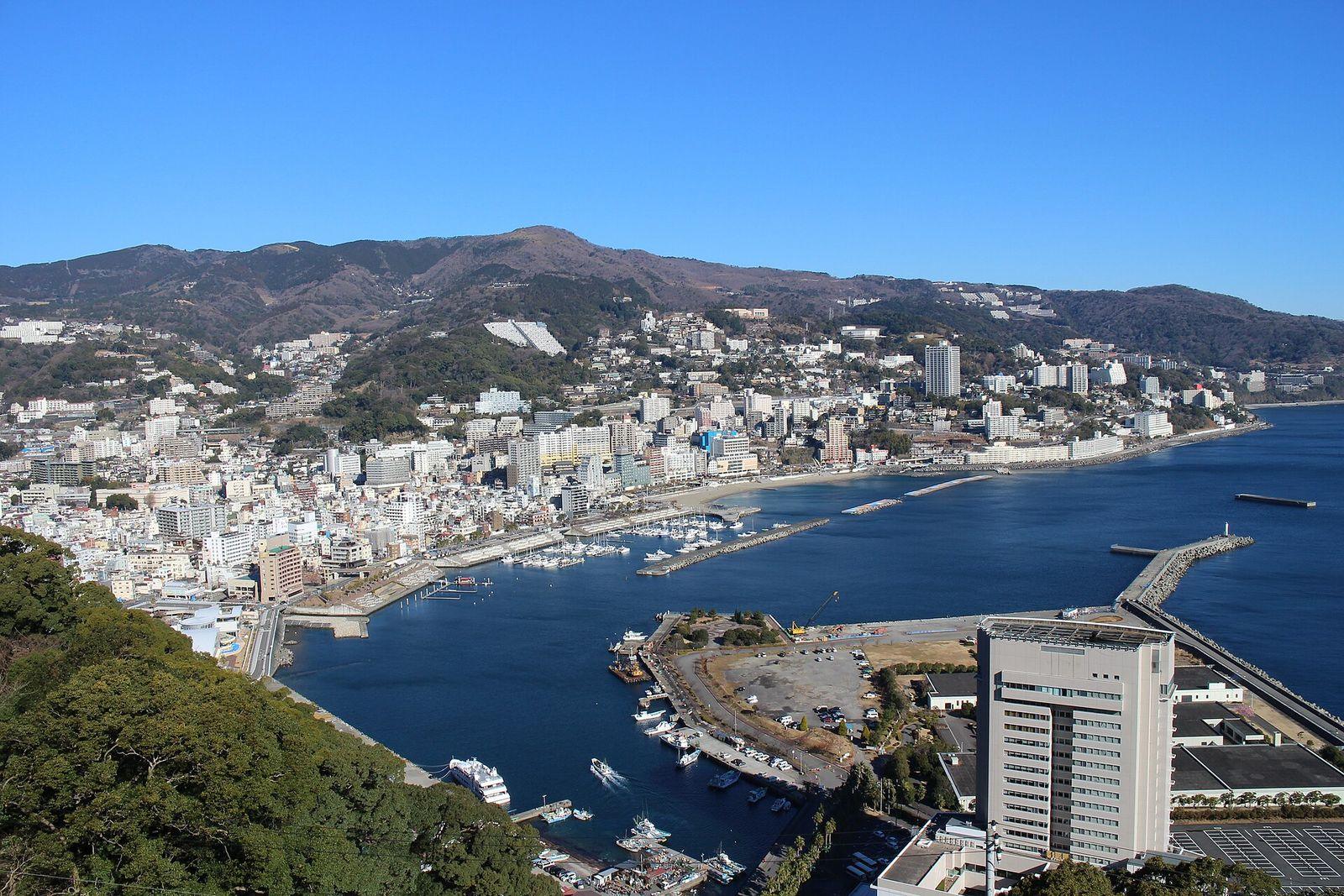
Atami Ryokan with Private Onsen: FUFU Atami vs Atami Izusan KARAKU
An Atami ryokan with private onsen, about 50 minutes from Tokyo by Shinkansen: FUFU Atami (a private open-air spring bath in all 32 suites, plus communal baths and a tattoo note) and Atami Izusan KARAKU (all 57 rooms with open-air onsen baths, Sagami Bay views, kaiseki in two seatings) — compared from official sources.
Hakone Open-Air Museum Private Tour: A Luxury Day, Verified
Hakone Open-Air Museum private tour and self-guided luxury day: official hours and fees, Freepass maths, private tour prices as displayed, and a private-bath pairing.
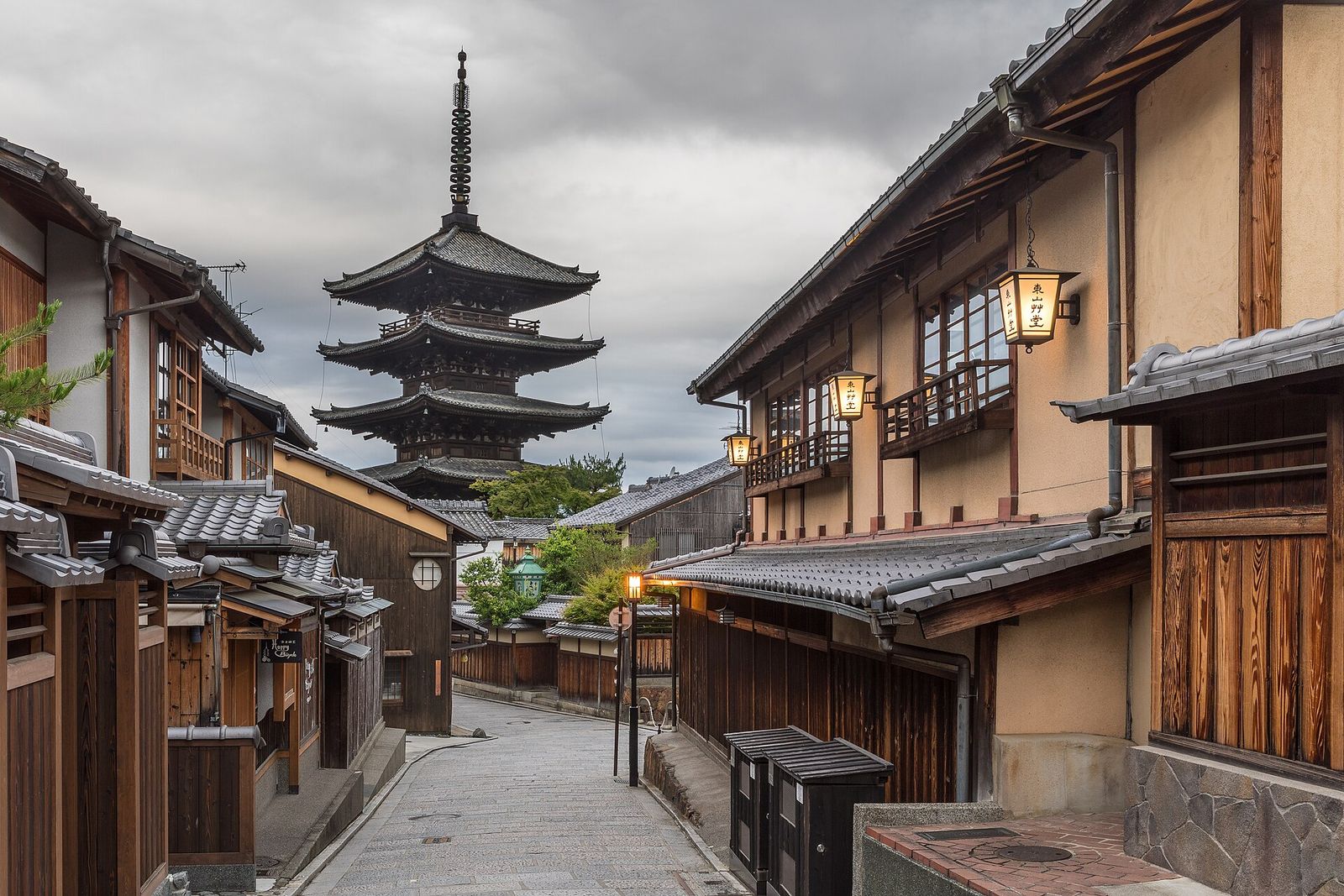
Hakone vs Kyoto for a Luxury Trip: Where Your Budget Works Harder
Two ways to spend a luxury budget in Japan compared with verified prices: a stay-led Hakone trip built around a private-onsen ryokan, or an experience-led Kyoto trip built around private tea ceremonies, crafts and a licensed guide.